
Introduction:
Financial literacy is no longer a luxury—it is a necessity, especially for the youth of Pakistan.
The Missing Lesson:
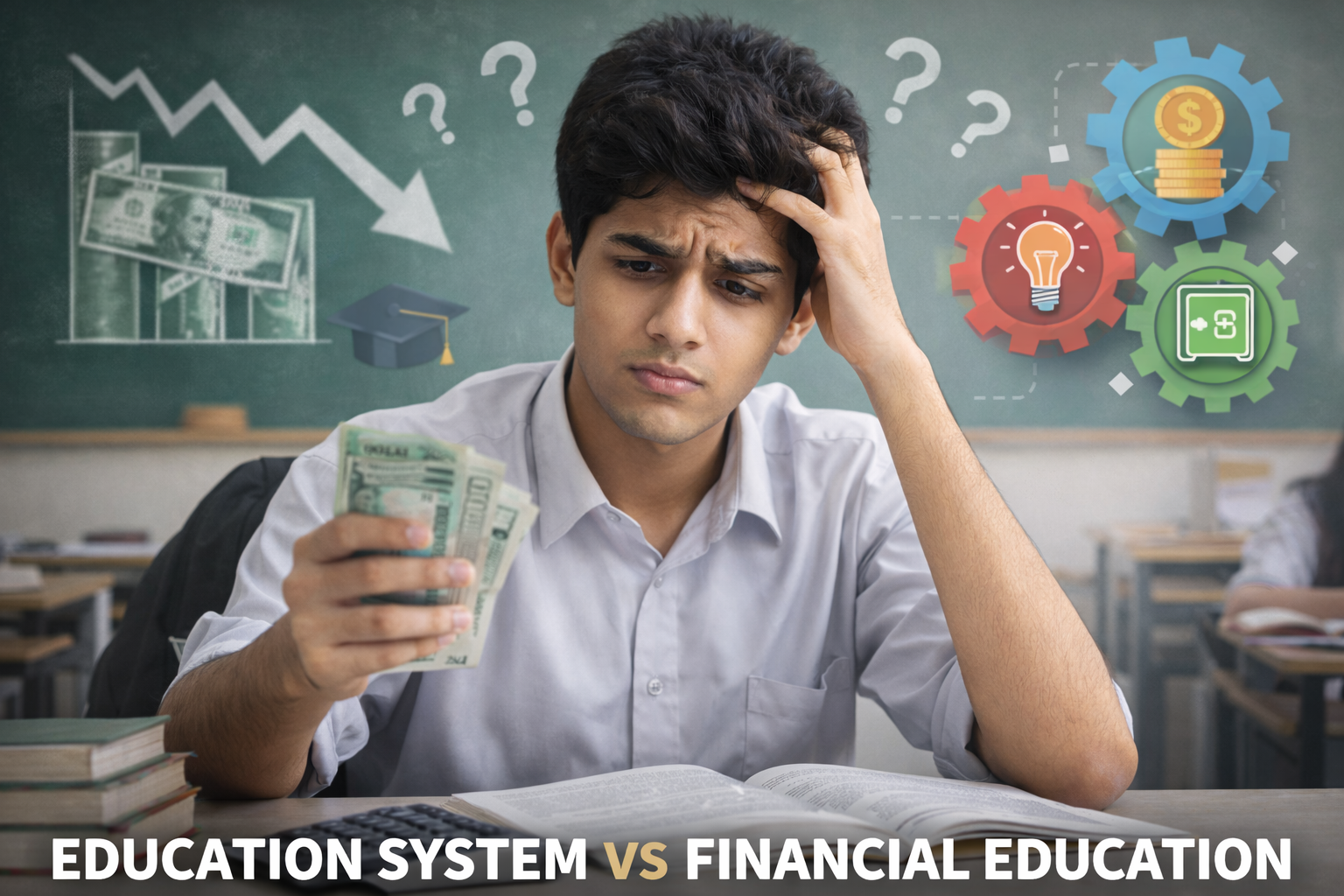
Unfortunately, the Pakistani students enter adulthood without understanding how to manage expenses, save money, or use banking services responsibly. Concepts such as budgeting, interest, debt, and long-term financial planning are often learned through trial and error. This lack of awareness leads to poor financial decisions, unnecessary debt, and financial stress later in life.
Why Financial Literacy Matters:
Financial literacy empowers individuals to take control of their lives. When young people understand how to manage money, they develop discipline, confidence, and independence. These skills help them plan for education, support their families, and even start small businesses.
On a larger scale , financially aware youth contribute to a stronger economy. Increased savings, responsible borrowing, and informed investment decisions lead to economic stability and growth. The Pakistan is a country with 65% youth , but mostly are unaware of solving their financial issues , resulting in increasing stress rates ,and unfortunately, in suicide rates . A stable economy demands a stable youth , which is unattainable without teaching them the finance basic subjects.
A Personal Perspective:
Through my interest in finance and participation in online internships with financial institutions, I observed how essential financial education is in developed economies. Students are introduced to basic money management at an early age, which prepares them for adult responsibilities.
This experience made me reflect on Pakistan’s education system and the urgent need to introduce financial literacy as a core life skill. Even simple lessons on budgeting or saving can make a significant difference in a student’s future.
A major contribution in teaching youth about basic finance knowledge is done by Robert Toru Kiyosaki, also famous for the Rich Dad Poor Dad series of personal finance books. His books contain personal experiences and advices that every student should know.
The Way Forward:
Financial literacy does not require complex reforms. Schools can start with small steps—short workshops, basic budgeting lessons, or awareness sessions. Online platforms, community initiatives, and NGOs can also play a role in spreading financial knowledge among youth.
Equipping students with financial skills is an investment in the country’s future. When young people understand money, they gain the ability to make informed decisions that benefit both themselves and society.
Conclusion:
Money management is more than numbers—it is a mindset. Teaching financial literacy empowers students to navigate life with confidence and responsibility. Pakistan’s youth deserve an education system that prepares them not only for exams, but for real-world challenges.
By addressing this missing lesson, we can help build a financially aware generation capable of shaping a stronger and more sustainable future for Pakistan.