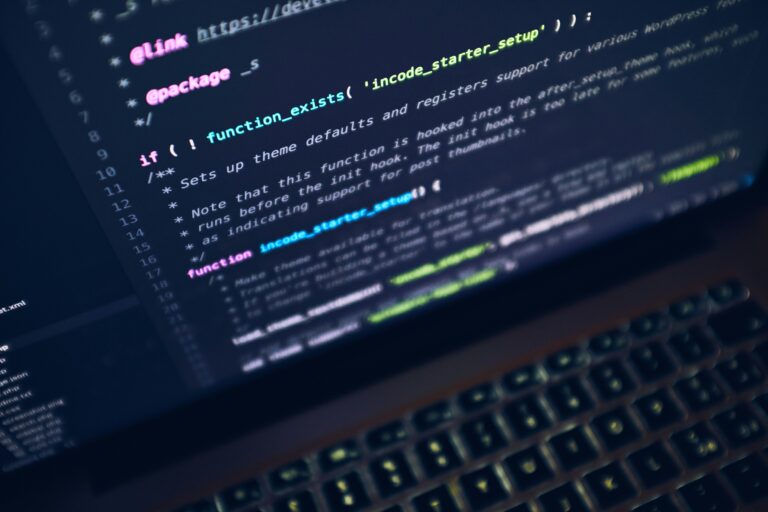


In the fast-moving world of software development, where new frameworks appear every week, PHP (Hypertext Preprocessor) remains a powerhouse. As of 2026, it continues to power over 73% of all websites whose server-side language is known. Far from being “outdated,” PHP has evolved into a high-performance, mature, and sophisticated language that remains the first choice for millions of developers.+2
1. What Exactly is PHP?
PHP is an open-source, server-side scripting language specifically designed for web development. Unlike JavaScript, which primarily runs in a user’s browser (client-side), PHP code is executed on the web server.+1
- Recursive Acronym: PHP stands for “PHP: Hypertext Preprocessor.”
- Embedded Nature: PHP code can be directly embedded into HTML, making it incredibly easy to create dynamic content without needing a complex build process.
- Server-Side Execution: When a user requests a
.phppage, the server processes the code, interacts with a database if necessary, and sends back plain HTML to the user’s browser.
2. Key Features of Modern PHP (Version 8.4+)
The “spaghetti code” reputation of the early 2000s is long gone. Modern PHP is fast, strictly typed, and feature-rich.
- Property Hooks (New in 8.4): Allows developers to define custom logic for getting or setting properties directly, eliminating the need for bulky “getters” and “setters.”
- Just-In-Time (JIT) Compilation: Introduced in PHP 8.0, JIT compiles parts of the code into machine code at runtime, significantly boosting performance for CPU-intensive tasks.
- Enumerations (Enums): Added in 8.1, these allow for much cleaner and safer handling of constant values.
- Asymmetric Visibility: A 2026-era feature that allows a property to be “publicly readable” but “privately writable,” providing better encapsulation.
3. The Power of the Ecosystem
PHP’s longevity is due to its massive ecosystem. If you are using the web today, you are likely interacting with PHP via one of these giants:
- WordPress: Powers over 40% of the internet. It is built entirely on PHP.
- Laravel: The most popular PHP framework today. It provides an elegant syntax and tools for authentication, routing, and database management, making development incredibly fast.+1
- Symfony: A set of reusable PHP components used by major platforms like Drupal and even parts of Laravel itself.
4. Why Use PHP in 2026?
| Advantage | Description |
| Speed to Market | PHP is optimized for rapid development. You can go from an idea to a working MVP faster than almost any other language. |
| Cost-Effective | Hosting for PHP is universal and inexpensive. Almost every web server on earth supports it out of the box. |
| Massive Talent Pool | Because it has been around so long, finding skilled developers and documentation is easy. |
| Scalability | With modern tools like Swoole or Laravel Octane, PHP can handle tens of thousands of requests per second, rivaling Node.js and Go. |
5. Summary: Not Just a “Legacy” Language
PHP in 2026 is a “quiet workhorse.” It is no longer the “trendy” language for social media debates, but it is the language that gets the job done. Whether you are building a small blog, a massive e-commerce store, or a high-traffic SaaS platform, PHP offers a balance of simplicity, performance, and stability that few other languages can match.