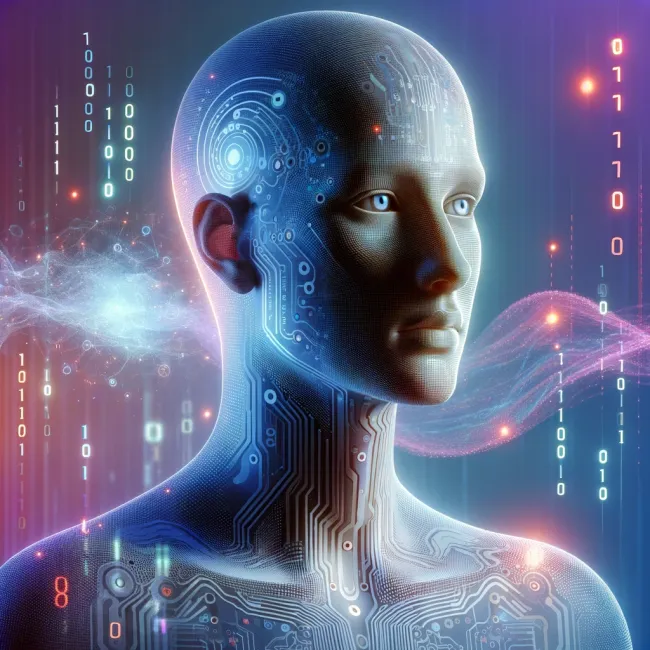

Artificial Intelligence (AI) is no longer a distant concept from science fiction; it has become an integral part of modern life. One of the most promising and transformative areas where AI is making a significant impact is education. From personalized learning experiences to intelligent tutoring systems, AI is reshaping how students learn and how teachers teach.
Personalized Learning Experiences
One of the greatest advantages of AI in education is its ability to personalize learning. Traditional classrooms often follow a one-size-fits-all approach, which may not suit every learner. AI-powered platforms analyze students’ learning patterns, strengths, and weaknesses to provide tailored lessons and exercises. This allows students to learn at their own pace, ensuring that fast learners are challenged while struggling students receive additional support.
Adaptive learning systems can adjust difficulty levels in real time. For example, if a student consistently answers questions correctly, the system introduces more advanced material. Conversely, if a student struggles, the AI provides easier explanations, examples, or alternative learning methods such as videos or interactive simulations.
Intelligent Tutoring Systems
AI-based tutoring systems are becoming increasingly popular as they provide 24/7 academic support. These systems simulate human tutors by answering questions, explaining concepts, and offering feedback instantly. Unlike human tutors, AI tutors are always available, making them especially valuable for students in remote or underserved regions.
Such tools also encourage independent learning. Students can ask questions without fear of embarrassment, allowing them to explore topics freely and develop confidence in their abilities.
Automating Administrative Tasks
Teachers often spend a significant amount of time on administrative duties such as grading, attendance tracking, and report preparation. AI can automate many of these tasks, allowing educators to focus more on teaching and mentoring students.
Automated grading systems can evaluate multiple-choice questions instantly and even assess essays using natural language processing. AI can also generate performance reports, identify trends in student performance, and alert teachers about students who may need extra help.
Enhancing Accessibility and Inclusion
AI plays a crucial role in making education more inclusive. Students with disabilities benefit greatly from AI-powered tools such as speech-to-text systems, text-to-speech readers, and real-time translation tools. These technologies help bridge communication gaps and make learning accessible to a broader audience.
For example, visually impaired students can use AI-driven screen readers, while hearing-impaired students can rely on live captioning tools. Similarly, language translation systems enable students to learn in their native languages, reducing barriers in multicultural classrooms.
Data-Driven Insights
AI enables data-driven decision-making in education. By analyzing large volumes of student data, institutions can identify patterns and predict outcomes. This helps educators design better curricula, identify effective teaching strategies, and provide targeted interventions for struggling students.
Predictive analytics can even identify students at risk of dropping out, allowing institutions to intervene early and provide necessary support. This proactive approach improves retention rates and overall academic success.
Challenges and Ethical Concerns
Despite its benefits, the use of AI in education raises several concerns. One major issue is data privacy. Since AI systems rely heavily on student data, ensuring secure data storage and ethical usage is critical.
Another concern is over-reliance on technology. Excessive dependence on AI tools may reduce critical thinking and human interaction, both of which are essential for holistic development. Additionally, unequal access to AI technologies may widen the digital divide between developed and developing regions.
There are also ethical questions about bias in AI systems. If training data contains biases, AI tools may unintentionally produce unfair outcomes, highlighting the need for careful development and regulation.
The Role of Teachers in an AI-Driven Future
Contrary to fears that AI might replace teachers, it is more likely to redefine their roles. Teachers will continue to play a central role as mentors, facilitators, and emotional supporters. AI can handle repetitive and data-heavy tasks, while teachers focus on creativity, critical thinking, and character development.
The future classroom will likely be a blend of human expertise and intelligent technology. Teachers who embrace AI tools can enhance their effectiveness and create more engaging and interactive learning environments.
Conclusion
Artificial Intelligence is revolutionizing education by making learning more personalized, accessible, and efficient. While challenges such as data privacy and ethical concerns must be addressed, the potential benefits of AI in education are immense. By integrating AI thoughtfully and responsibly, educators and institutions can create a future where learning is more inclusive, adaptive, and impactful for students around the world.
In the coming years, the successful integration of AI in education will depend not only on technological advancement but also on ethical implementation and human collaboration. When used wisely, AI has the power to unlock new possibilities and redefine the boundaries of education.