

Introduction
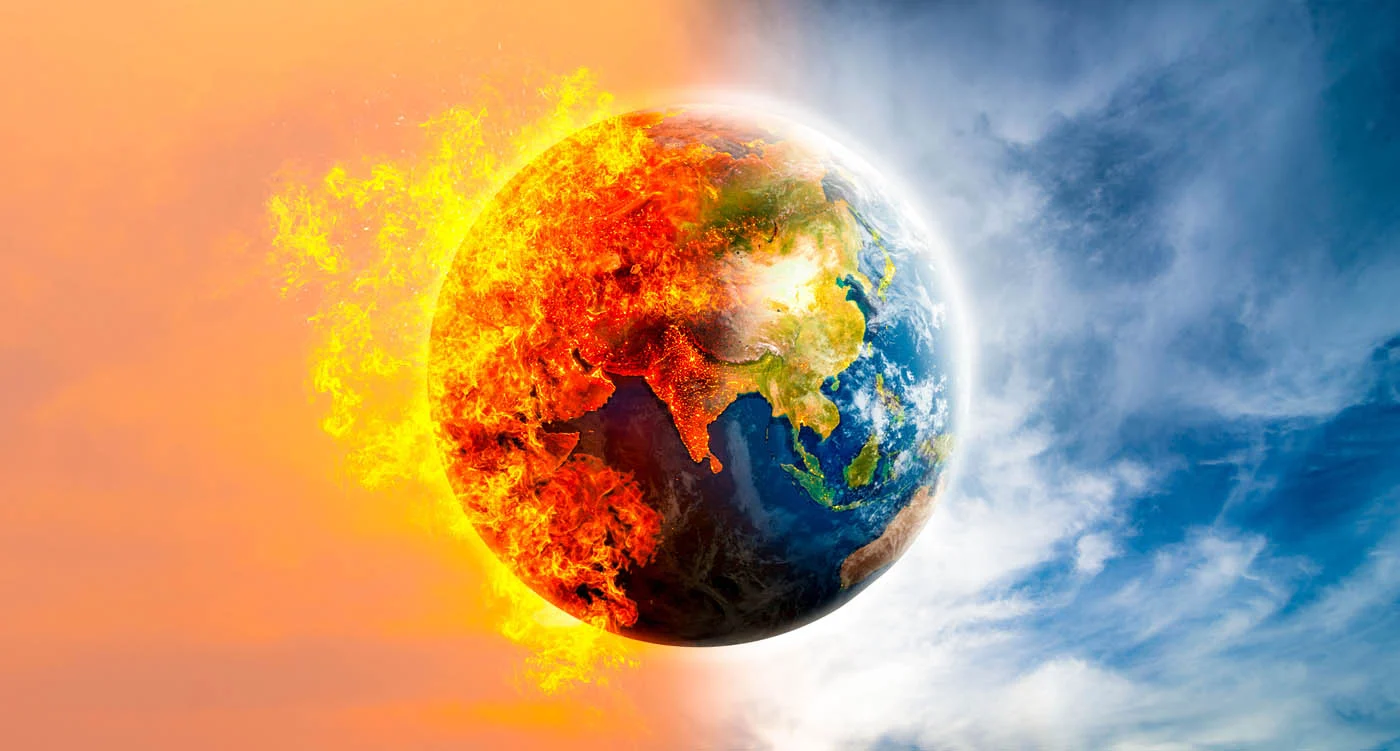
Global warming is no longer a distant threat — it is a present-day reality reshaping our planet. Over the past few years, scientists have recorded unprecedented temperature increases, extreme weather events, and rapid environmental changes. Recent reports from leading scientific organizations confirm that Earth has reached new climate milestones, prompting urgent warnings about the need for immediate global action.
Record-Breaking Temperatures
Scientists have confirmed that recent years rank among the hottest ever recorded in human history. Global average temperatures have risen significantly compared to pre-industrial levels, driven largely by greenhouse gas emissions from human activities.
Key observations include:
- Heatwaves becoming longer and more intense
- Ocean temperatures reaching historic highs
- Polar ice melting at accelerated rates
- Increased frequency of droughts and wildfires
These records indicate that global warming is progressing faster than previously predicted, narrowing the window for effective action.
Causes Behind the Crisis
The primary driver of global warming is the buildup of greenhouse gases such as carbon dioxide, methane, and nitrous oxide in the atmosphere. These gases trap heat, creating a “greenhouse effect” that warms the planet.
Major contributing factors:
- Burning fossil fuels for energy and transportation
- Deforestation reducing carbon absorption
- Industrial emissions and urbanization
- Agricultural practices releasing methane
Human influence on climate change is now considered unequivocal by the scientific community.
Growing Climate Impacts
As global temperatures rise, the consequences are becoming increasingly visible across the world.
1. Extreme Weather Events
Storms, floods, hurricanes, and heatwaves are intensifying, affecting millions of people and causing economic losses.
2. Rising Sea Levels
Melting glaciers and expanding warmer oceans are contributing to rising sea levels, threatening coastal communities and island nations.
3. Biodiversity Loss
Changing climates disrupt ecosystems, leading to habitat destruction and species extinction.
4. Food and Water Insecurity
Agricultural productivity is declining in many regions due to droughts, unpredictable rainfall, and soil degradation.
Scientists’ Urgent Warning
Climate experts emphasize that the world is approaching critical tipping points — thresholds beyond which environmental changes may become irreversible. Crossing these tipping points could accelerate ice sheet collapse, forest dieback, and ocean circulation changes.
Scientists warn that:
- Limiting global warming to safer levels requires immediate emission reductions
- Delayed action will increase economic and humanitarian risks
- Climate adaptation measures must accompany mitigation efforts
The message is clear: the next decade will be decisive for the planet’s future.
Global Response and Solutions
Despite the alarming trends, solutions exist and progress is underway.
1. Transition to Renewable Energy
Solar, wind, and hydroelectric power are expanding worldwide, reducing dependence on fossil fuels.
2. Sustainable Lifestyle Changes
Energy conservation, waste reduction, and eco-friendly consumption can collectively lower emissions.
3. Reforestation and Conservation
Protecting forests and restoring ecosystems help absorb carbon dioxide and preserve biodiversity.
4. International Cooperation
Global agreements and climate policies play a crucial role in coordinating action and accountability among nations.
Why This Matters for the Future
Global warming is not just an environmental issue — it is a social, economic, and humanitarian challenge. Its effects influence health, migration, poverty, and global stability. For younger generations, the climate crisis will shape opportunities, security, and quality of life.
Conclusion
The latest temperature records serve as a stark reminder that climate change is accelerating. Scientists’ urgent warnings highlight the need for swift, coordinated, and sustained action. While the challenge is immense, collective efforts from governments, industries, and individuals can still alter the trajectory.
The future of our planet depends on choices made today — making climate action not only a necessity but a shared global responsibility.